How to Start a Laundry Business in Kenya: Costs, Permits and Pricing
Start a laundry business in Kenya from home or a shop: machine prices, what Nairobi laundries charge per kg, licences and the risks that close new laundries.

In this guide▾
Walk through any apartment block in Nairobi and you'll see the gap: people working long hours, no washing machine, and a pile of clothes waiting for the weekend. A laundry business fills that gap, and customers come back every week.
You can start from home with one or two household machines, or open a shop with commercial equipment. The two are very different in cost, so this guide takes them one at a time, then covers permits, pricing and the risks that close new laundries. Prices checked in November 2026.
| Home-based start | Small shop | |
|---|---|---|
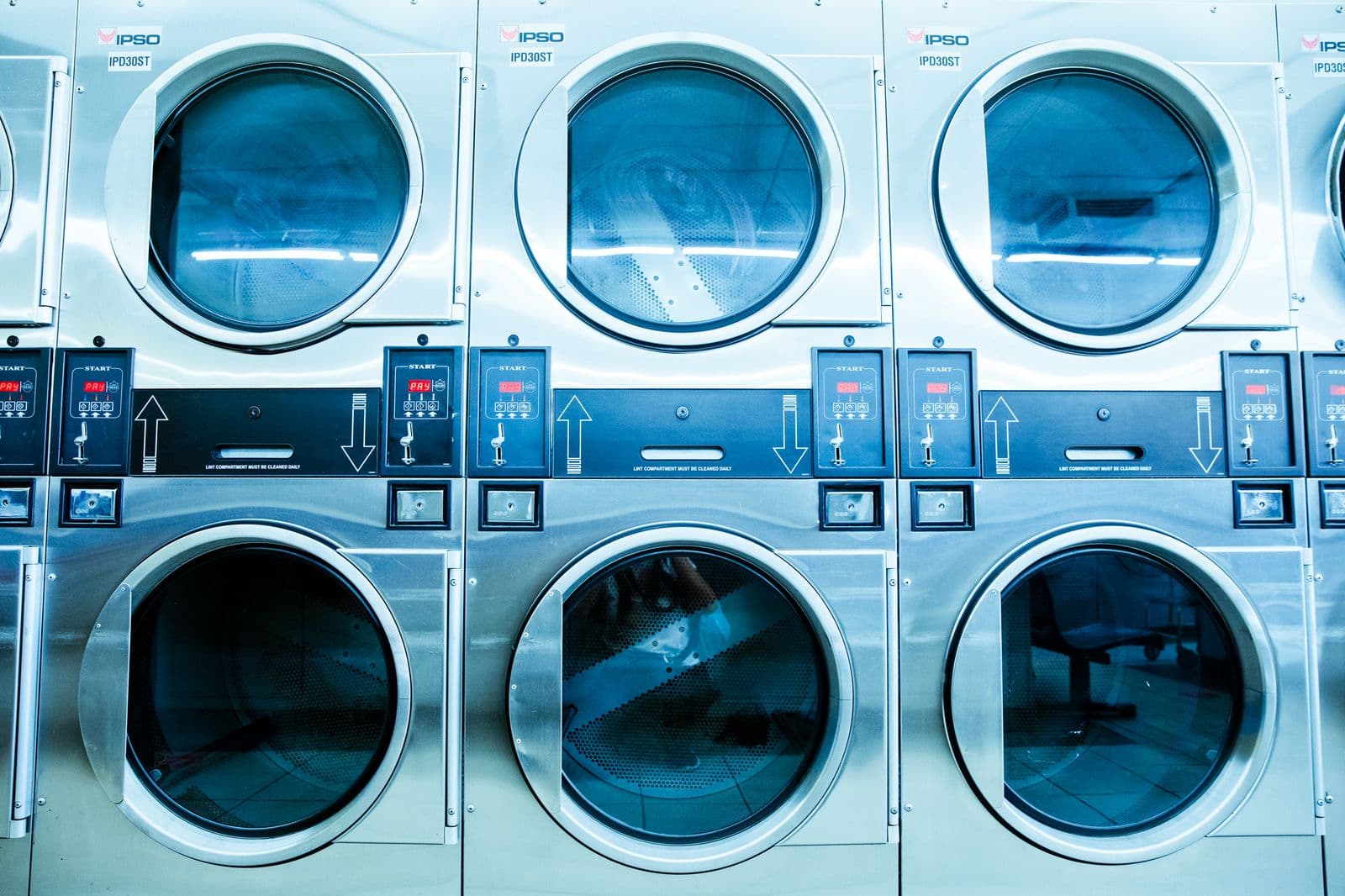
| Machines | 1–2 household washers, KES 30,000–100,000 each | Commercial washers, around KES 580,000–675,000 each for a 15 kg LG |
| Where you work | Your house or a rented room | A shop near estates or hostels |
| Who it suits | Testing demand with a few regular clients | Steady walk-in and delivery trade |
| Biggest risk | Machines wear out fast under daily use | Rent and loan repayments in quiet months |
How much does it cost to start a laundry business in Kenya?
A laundry business in Kenya can start for well under KES 100,000 if you use a household washing machine from home, or cost more than KES 1 million for a shop with commercial machines and a dryer. The machines are the biggest single cost either way, followed by rent and deposit if you take a shop.
Machines. Household washing machines sell for roughly KES 30,000 to 100,000, according to a Nairobi appliance repairer's price guide. A commercial machine is a different class: the LG 15 kg commercial front loader was listed at KSh 579,995 on Jumia, KSh 629,995 at Hotpoint and KSh 673,995 at Kenyatronics when we checked. Industrial brands such as Electrolux are sold on quotation.
Everything else. Budget for these as well, and get real quotes for your area:
- Rent and deposit, usually two or three months upfront for a shop
- Plumbing, drainage and electrical work so the machines can run safely
- Irons, ironing tables, shelving, hangers and bags
- Detergent, softener and stain removers for the first months
- Business name registration, county permit and any health inspection
- A sign, and enough cash to cover rent and wages until regular clients build up
Household machines aren't built for washing all day. They're fine for testing the market with a handful of regular customers, but if the business grows, plan to replace them with commercial ones.
What can you charge for laundry in Nairobi?
Most Nairobi laundries charge by the kilo. Published rates on directory and laundry sites mostly fall between about KES 100 and 300 per kg for wash and fold, with washing and ironing at the upper end and dry cleaning charged separately, often per item. Laundrette Nairobi, for example, lists KES 150 a kilo for washing only and KES 250 with ironing.
Prices run higher in areas such as Westlands and Karen, and same-day service usually carries a premium. Before you set yours, phone or visit the three laundries closest to your planned spot and ask what they charge for a 5 kg bag. That tells you more than any national average.
A worked example
Say you open a small shop in an estate and charge KES 200 per kg for wash, dry and fold. If you handle 30 kg a day, six days a week, that's about 780 kg a month, or roughly KES 156,000 in sales.
From that you pay rent, water, electricity, detergent, one or two attendants and machine repairs. Water and power are the costs people underestimate: a commercial washer and dryer running all day can add thousands of shillings a month to your bills. Price your services so you still make money in a slow week, not just a good one.
These numbers are an illustration, not a forecast. Your own volume depends on how many households live within walking distance and how many laundries already serve them.
What licences do you need to run a laundry in Kenya?
- Register a business name on eCitizen. It costs KES 950 and usually takes about a day; our guide to registering a business name in Kenya walks you through it.
- Get a KRA PIN if you don't have one, and set up eTIMS invoicing so business customers can claim your invoices.
- Apply for a Single Business Permit from your county. The fee depends on the county and the size of your premises, so ask the county revenue office before you sign a lease.
- Book a public health inspection if your county requires one for laundries. Inspectors look at drainage, ventilation and how you store chemicals.
- Check water and wastewater rules with your water company or landlord, especially if you'll run several machines.
Choosing a location
A laundry lives on repeat customers who can reach you in a few minutes. Good spots are near apartment blocks, student hostels and estates where people work long hours. A shop people can see from the road gets more walk-ins than one tucked up a staircase.
Inside, plan for water. Machines need proper plumbing and drainage, and you need space to sort, iron, fold and store finished bags so they don't get mixed up.
Running the shop day to day
The daily routine is simple: receive clothes, tag them, sort by colour and fabric, wash, dry, iron, fold and pack. The mistakes happen at the start and the end.
- Tag every bag with the customer's name and phone number, and note anything unusual (a missing button, a stain) when you receive it.
- Check pockets. Pens, tissue and M-Pesa receipts ruin whole loads.
- Send a message when clothes are ready. Customers notice a laundry that keeps them informed.
- Offer pick-up and delivery once you have regular clients. In busy estates it's often what wins them over.
Take payment by M-Pesa so you have a record of every sale. A till or Pochi la Biashara keeps business money separate from personal money.
Risks that close new laundries
- Damaged or lost clothes. One ruined suit can cost you a customer and a bad review. Agree in writing what you'll pay if something is damaged.
- Machine breakdowns. A broken washer stops the business. Keep a repair contact and some money aside for parts.
- Rising water and power bills. Track them monthly and adjust your prices if they climb.
- Competition. In busy parts of Nairobi, new laundries open often. Compete on reliability and turnaround, not just price.
- Cash flow in the first months. Regular clients take time to build. Don't spend your last shilling on machines.
If you're comparing small businesses, our guide to side hustles in Nairobi you can start with under KES 5,000 includes estate laundry as a low-cost way to test demand before you commit to a shop.
Frequently asked questions
How much capital do I need to start a laundry business in Kenya?
From home with a household washing machine, you can start for well under KES 100,000. A shop with commercial machines usually needs more than KES 1 million, because a single 15 kg commercial washer costs around KES 580,000 to 675,000.
Is a laundry business profitable in Kenya?
It can be, if you're near enough customers who use you every week and you price to cover water, power and wages. Profit depends mostly on volume, so research how many households live close by and what nearby laundries charge.
How much do laundries charge per kg in Nairobi?
Most charge between about KES 100 and 300 per kg for wash and fold, depending on the area and whether ironing is included. Dry cleaning is usually priced per item, and same-day service costs extra.
Can I start a laundry business from home in Kenya?
Yes. Many owners start with one or two household machines and a few regular clients. You still need to register your business name and check your county's permit rules, and household machines will need replacing if the work grows.
Keep reading
Pig Feed Formulation in Kenya: Creep, Weaner, Grower and Finisher Feed
What goes into balanced pig feed at every stage (creep, weaner, grower, finisher and sows) from Kenyan ingredients, what pigs need at each stage, how much they eat, and whether home mixing pays.
20 Oct 2026 · 4 min read
How to Make Dairy Meal at Home in Kenya: 16% Mix and Feeding Guide
How to make dairy meal at home: the ingredients for a balanced 16% mix and a high-yielder version, the standards from KALRO and ILRI, and how much to feed per litre of milk.
20 Oct 2026 · 4 min read
Kienyeji Chicken Feed Formulation: A Guide for Growers and Layers
What goes into balanced feed for improved kienyeji chickens (growers and layers) from Kenyan ingredients, the protein they need according to Kenyan research, and how much to feed free-range birds.
20 Oct 2026 · 4 min read