Solar vs Kenya Power: Which Is Cheaper for Your Home?
Compare solar with your Kenya Power bill: current solar prices, how to find your real cost per unit, how long solar takes to pay back and when it doesn't.

In this guide▾
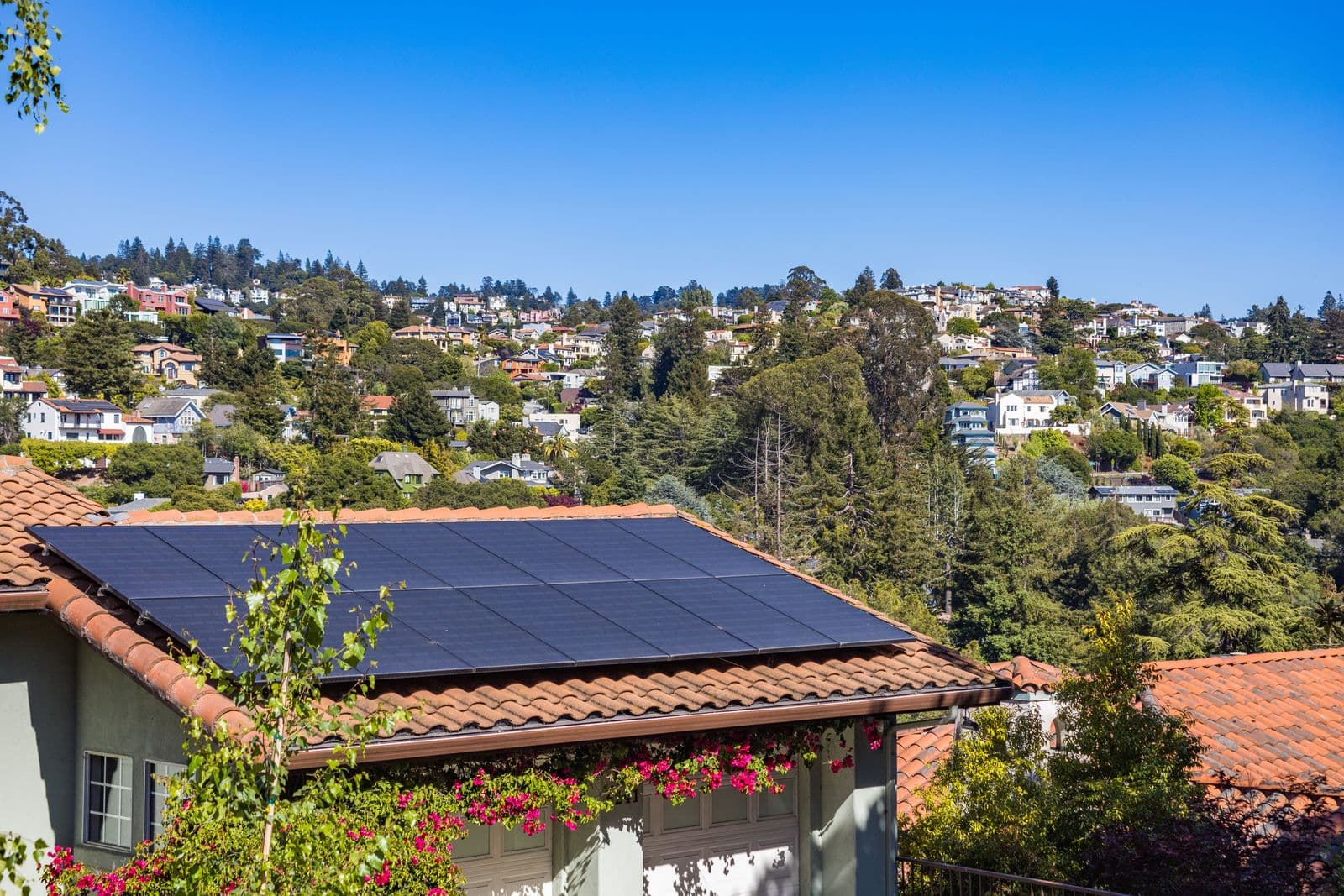
Every time the Kenya Power bill goes up, solar starts to look tempting. Whether it saves you money depends on how much power your home uses, what the system costs upfront and how long you plan to stay.
For most homes, the honest answer is: solar pays off when it replaces a big bill and you buy a good battery, and stays a luxury when your bill is small. This guide shows how to work out which side you're on. Prices checked in November 2026.
| Kenya Power | Solar | |
|---|---|---|
| Upfront cost | A connection, then nothing | From about Ksh 8,000 for lights to Ksh 268,000+ for a hybrid inverter system |
| Monthly cost | Your bill, which changes with monthly fuel and forex charges | Nothing after you've paid for it, or a fixed instalment if you buy on credit |
| Blackouts | Yes | Not if you have enough battery |
| Runs heavy appliances | Yes | Only with a large system |
| Long-term costs | Tariff rises | Battery replacement and maintenance |
Is solar cheaper than Kenya Power?
Solar is cheaper than Kenya Power over the long run only if the system replaces a large share of your electricity bill. For a home using a few dozen units a month, a small solar kit for lights and charging pays back quickly, but a big system to run everything can take many years to recover its cost.
The way to find out is to compare what solar would cost with what it would save you each month.
How much does Kenya Power cost you?
Your real cost per unit is on your bill. Divide the total you paid, including VAT and levies, by the number of units (kWh) you used. That figure is what solar has to beat.
Kenya Power's price per unit rises with how much you use, and every month EPRA adds fuel and foreign exchange charges on top, plus levies and 16% VAT. A household using about 100 units a month pays in the region of KES 2,500 all-in in 2026, roughly KES 25 a unit, according to one 2026 bill calculator. Heavy users pay more per unit.
How much do solar systems cost in Kenya?
Solar systems in Kenya range from a few thousand shillings for lights and phone charging to several hundred thousand for a system that runs a fridge, TV and laptops. These were Sun King's prices in July 2026, including installation (Sun King):
| What it powers | Example system | Upfront price |
|---|---|---|
| Lights and phone charging, 1–3 rooms | HomePlus | Ksh 8,000 |
| Full home lighting, laptop, fan, radio or TV | HomePlus Max | Ksh 20,000 |
| Fridge, TV, laptops, light business equipment | PowerPlay Pro | Ksh 77,000 |
| Full hybrid inverter setup | PowerHub range | From about Ksh 268,000 |
Bigger systems for whole homes, with a large inverter, several panels and a lithium battery, are sold by installers on quotation. Equipment-only kits from retailers such as Betech cost less, but you then pay for installation separately. Get at least two installed quotes for the same specification.
The battery decides your long-term cost. Lead-acid batteries are cheaper upfront but last about three to five years. Lithium (LFP) batteries cost more but last ten years or more, according to Sun King. A cheap system with a short-lived battery can cost more in the end.
How long does solar take to pay for itself?
Here's the sum to run for your own home.
Say your bill is KES 5,000 a month, and a system costing KES 400,000 would cut it by KES 4,000. That's KES 48,000 saved a year, so the system pays for itself in a little over eight years. Add a battery replacement during that time and it takes longer. Cut a KES 8,000 bill by KES 6,000 with the same system and it pays back in about five and a half years.
So solar pays fastest when:
- your bill is high, because there's more to save each month;
- you use most power in the day, when panels produce it, so you need less battery;
- you'll stay in the house for years, long enough to recover the cost;
- blackouts cost you money, for example if you work from home or run a business.
It pays slowest for small bills, renters who may move, and homes that use most of their power at night.
Can you buy solar on instalments?
Yes. Pay-as-you-go companies such as M-KOPA, Sun King and d.light sell systems with a deposit and daily, weekly or monthly payments by M-Pesa, and you own the system once it's paid off. Banks also lend for larger solar installations.
Instalments make solar affordable upfront, but you pay more in total than buying for cash. Compare the full amount you'll pay over the contract, not just the daily rate.
Mistakes to avoid when going solar
- Comparing quotes for different systems. Check the panel wattage, inverter size, battery type and capacity, and whether installation is included.
- Buying the cheapest battery. A battery that dies in three years wipes out your savings.
- Oversizing. A system bigger than you need takes longer to pay back. Size it to what you run, not what you might run one day.
- Unqualified installers. Bad wiring damages equipment and can start fires. Ask for references and a warranty.
- Forgetting maintenance. Clean panels produce more. Dust and shade cut output.
If you're weighing solar against other uses for the money, compare what the same sum would earn in a money market fund or Treasury bills. Our guide to the cost of building a 3-bedroom house is useful if you're planning solar into a new build.
Frequently asked questions
Is solar worth it in Kenya?
It's worth it if it replaces a large share of your electricity bill, you use most power in the day and you'll stay in the home for years. For small bills, a basic kit for lights and charging pays back quickly, but a large system can take many years.
How much does a solar system for a house cost in Kenya?
From about Ksh 8,000 for lighting and phone charging to Ksh 77,000 for a system that runs a fridge and TV, according to Sun King's July 2026 prices. Hybrid inverter systems start at around Ksh 268,000, and whole-home systems from installers cost more.
How long do solar batteries last?
Lead-acid batteries typically last three to five years, while lithium iron phosphate (LFP) batteries last ten years or more. LFP costs more upfront but less over the system's life.
Can I get solar panels on instalments in Kenya?
Yes. M-KOPA, Sun King and d.light sell solar systems on pay-as-you-go plans paid by M-Pesa, and some banks lend for larger installations. You pay more in total than paying cash.
How do I work out my cost per unit from Kenya Power?
Divide the total amount on your bill, including VAT and levies, by the number of units (kWh) you used that month. Use that figure to compare solar savings.
Keep reading

What Happens If You Don't File Your KRA Returns? Penalties, Interest and How to Fix It
Miss KRA's filing deadline and the penalty, interest and consequences stack up fast. Here is what you owe in Kenya and how to clear it before it gets worse.
3 Nov 2026 · 8 min read
How to Get a Title Deed in Kenya: Costs, Timelines and What to Do If It's Lost
A lost title deed in Kenya costs about KES 1,000 to replace but takes at least 60 days by law. Here's what a first or inherited title deed costs too.
1 Nov 2026 · 8 min read

KRA Housing Levy Enforcement: What Happens If You Have Arrears
KRA's Finance Act 2026 powers let it freeze accounts over unpaid housing levy, but a viral warning graphic was fake. Here is what is real and how to check.
25 Oct 2026 · 8 min read