10 Ways to Make Money From Idle Land in Kenya
Ten ways to make idle land in Kenya earn, from leasing and trees to rentals, with what each needs, how long it takes to pay and how to choose.

In this guide▾
A plot that sits empty still costs you land rates and the worry of someone grabbing it. Put it to work and it can pay for itself, whether it's an acre upcountry or a quarter-acre near town.
What works depends on three things: where the land is, how much money you can put in, and how long you can wait for returns. Here are ten options, from trees you plant once to rentals that pay monthly, and how to pick between them. Checked in November 2026.
| Idea | Money needed | Wait for returns | Best land |
|---|---|---|---|
| Timber and pole trees | Low | Several years | Upcountry, larger plots |
| Fruit trees (avocado, mango) | Low to medium | A few years | Good soil and water |
| Greenhouse vegetables | Medium | One season | Near markets, with water |
| Beekeeping | Low | Months | Quiet land with flowering plants |
| Mushrooms | Low to medium | Weeks | Small or shaded plots |
| Tree nursery | Low | Months | Near roads and farming areas |
| Leasing to a farmer | None | Immediate | Any farmland |
| Rental rooms or bedsitters | High | Once built and let | Near towns and colleges |
| Event or picnic grounds | Medium | Once set up | Scenic land near a town |
| Parking or storage yard | Low to medium | Immediate | Near busy roads or markets |
What can you do with idle land in Kenya?
You can farm it, lease it, build on it or rent the space. The cheapest options are leasing to a farmer, planting trees and beekeeping. Rentals near towns pay the most each month but need the most money. Before anything else, make sure the title is in your name: you can't safely lease, develop or sell land you can't prove you own.
If the title is still in a relative's name, sort out the title deed transfer first, and check the record with an Ardhisasa search.
Options that need little money
1. Lease it to a farmer
The fastest income from idle land is renting it to someone who farms it. You earn from the first season, and the land is kept in use, which also makes it harder for anyone to encroach. Agree the rent, the season, and what can be planted in writing.
2. Plant trees for timber and poles
Eucalyptus, grevillea, cypress and pine are grown for poles, timber and firewood. Trees need little work after the first years, but the money comes at harvest, years later. It suits land you don't plan to use soon. Buy seedlings from a reputable nursery and ask about spacing for your area.
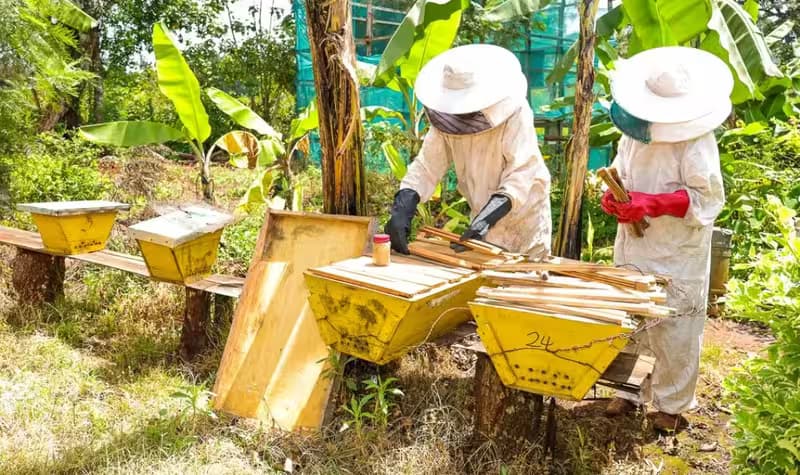
3. Beekeeping
Hives need little space and little daily attention, and bees do well on land with flowering trees and crops. Honey and beeswax both sell. Place hives away from homes and paths, and learn handling before you buy colonies.
4. Start a tree nursery
Farmers, schools and county greening projects buy seedlings. A nursery needs water, shade netting and a steady supply of seeds or cuttings, and it works best near roads where buyers can reach you.
Options that need more money
5. Fruit farming
Avocado has become one of Kenya's biggest farm exports, with fruit exports reaching KES 41 billion on the back of the avocado boom (Business Daily Africa). Grafted trees take a few years to bear, so plan for the wait. Mango, passion fruit and citrus are other options, depending on your area's climate.
6. Greenhouse farming
A greenhouse lets you grow tomatoes, capsicum and other vegetables in controlled conditions, with a harvest each season. It needs reliable water, a market nearby and good management, because pests and disease spread fast in a closed space. Visit working greenhouses in your area before you buy one.
7. Mushrooms
Oyster mushrooms grow indoors in a simple, dark, humid structure, so even a small or shaded plot works. They need careful hygiene and a buyer lined up: hotels, supermarkets and restaurants buy regularly.
Our list of agribusiness ideas for young people has costs for several of these.
Options that need the most money
8. Rental rooms or bedsitters
Near a town, college or industrial area, rental rooms pay every month. They also need the most capital and the most work: approvals, construction, and finding and managing tenants. Our guide to the cost of building bedsitters covers build costs, rents and payback, and the house construction cost planner prices each phase from your plan. Once tenants move in, a written tenancy agreement protects you both.
9. Event or picnic grounds
Land with a view, trees or water near a town can host weddings, church events, picnics and photo shoots. You need toilets, parking, shade and a way to take bookings. Check county rules for public events before you advertise.
10. Parking or storage yard
Land near a busy road, market or construction area can earn as a parking or storage yard for lorries, building materials or containers. You need a secure fence, a gate and someone on site.
How to choose
- Start with the title. Confirm the land is in your name and free of disputes.
- Check the basics. Water, road access and distance to buyers decide which ideas are realistic.
- Match it to your budget and patience. Leasing pays now, trees pay later, rentals pay most but cost most.
- Check zoning and approvals. Buildings and commercial uses need county approval.
- Start small. Test one idea on part of the land before you put everything in.
If you're still saving for land, our guide to saving for land on a low salary explains the routes.
Frequently asked questions
What is the most profitable use of idle land in Kenya?
Near towns, rental housing usually earns the most each month, but it needs the most money. With little money, leasing the land to a farmer or planting trees are the simplest ways to earn from it.
Can I make money from land without building on it?
Yes. You can lease it for farming, plant trees, keep bees, run a nursery, or rent it out for parking, storage or events.
Which agribusiness is best for a small plot?
Mushrooms, a tree nursery, beekeeping and greenhouse vegetables all suit small plots, as long as you have water and buyers nearby.
Do I need permission to build rentals on my land?
Yes. You need county approval for building plans before construction starts, and the land's zoning must allow it.
Keep reading

How to Do a Land Search in Kenya on Ardhisasa (and Spot a Fake Title Deed)
A land search on Ardhisasa costs KES 1,000 and shows who owns a plot and any charges on it. How to run the search, and spot a fake title deed.
30 Oct 2026 · 8 min read
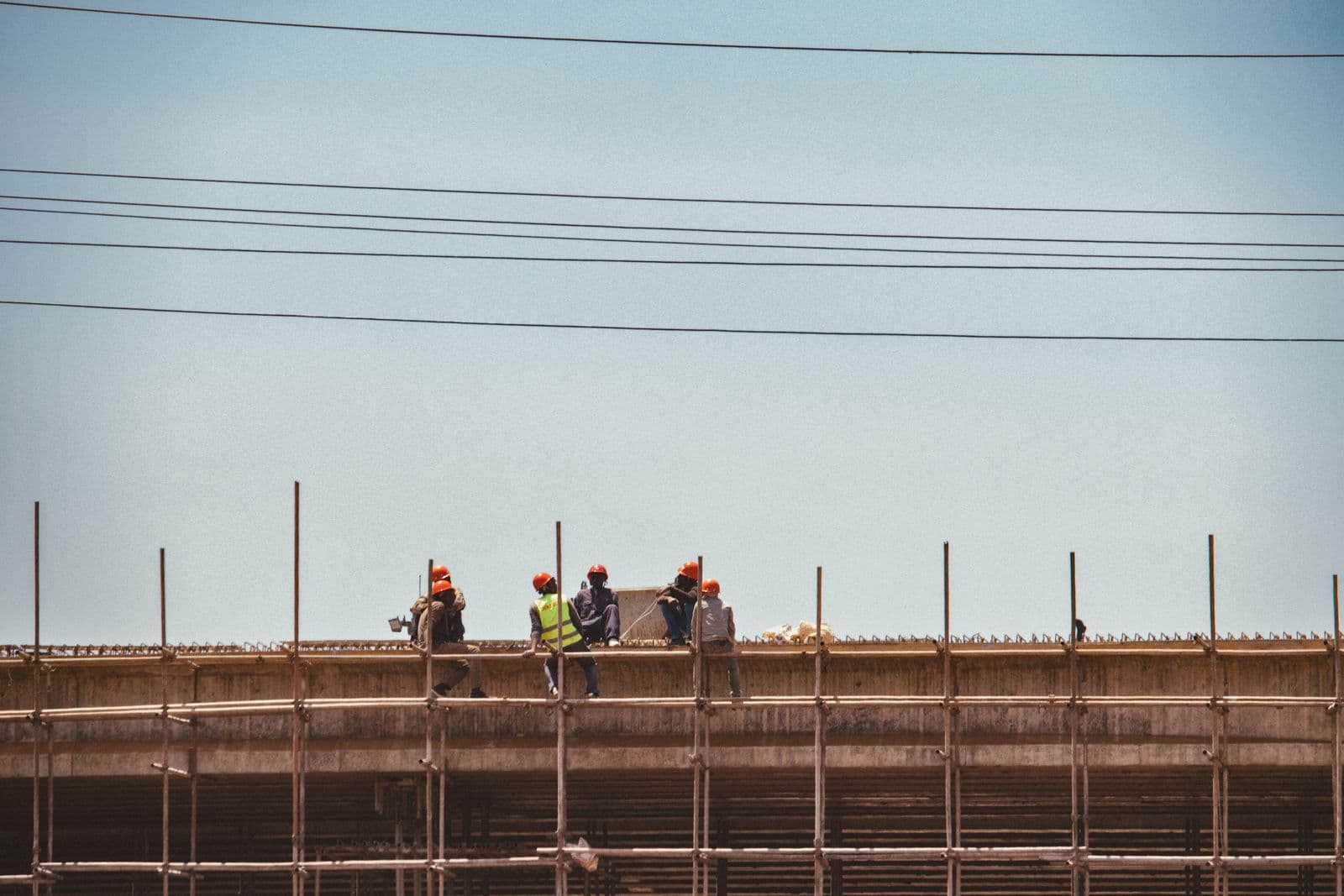
Cost of Building a House in Kenya per Square Metre: Rates by Finish and Location
Building a house in Kenya costs KES 25,000 to 95,000 per square metre in 2026, depending on finish and location. See the full rate table and budget your plan.
28 Oct 2026 · 7 min read
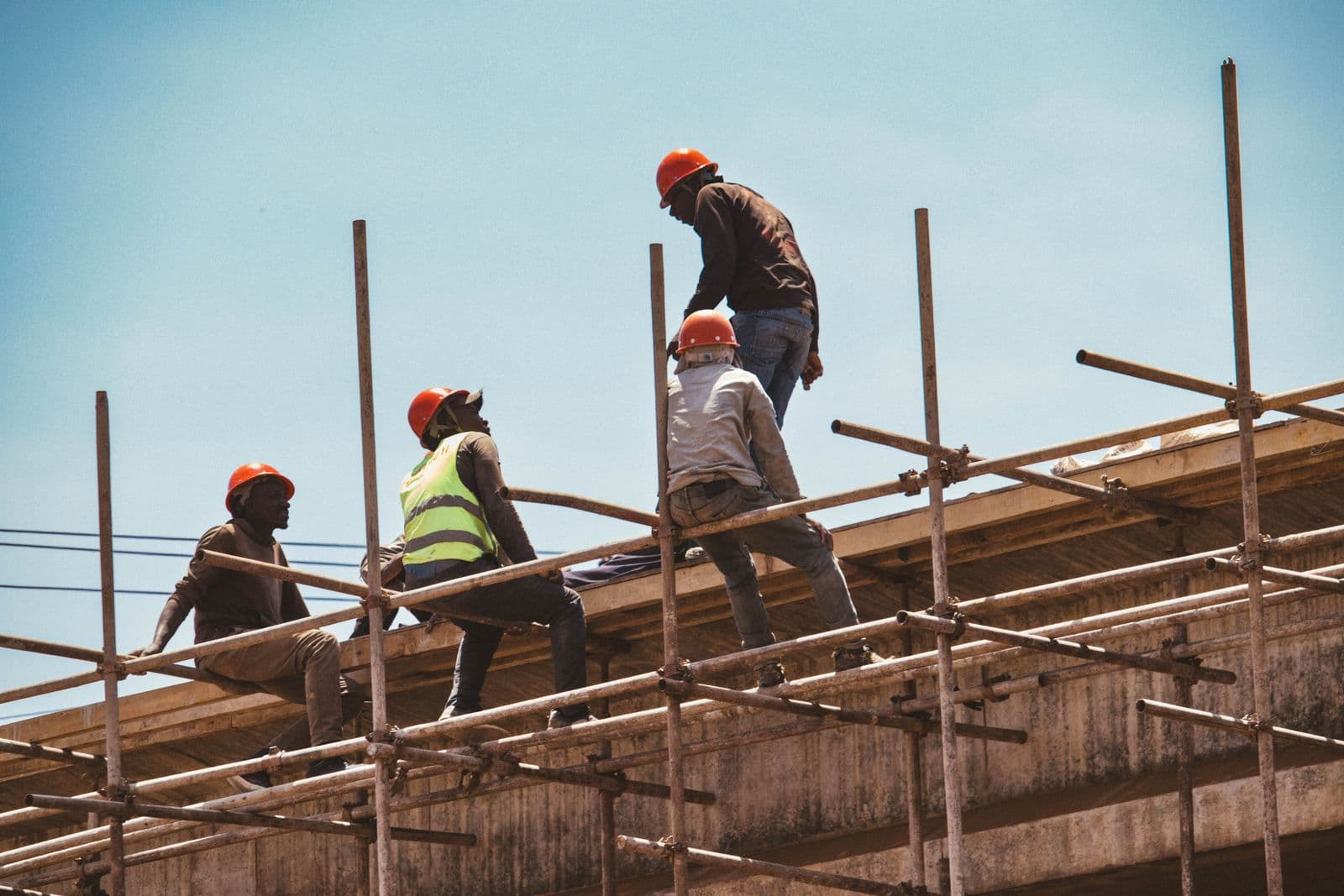
Cost of Building a Bedsitter in Kenya: Prices, Rent and Returns
What a bedsitter or one-bedroom rental unit costs to build in Kenya in 2026, typical rent by area, KRA rental income tax and a payback-period table.
27 Oct 2026 · 11 min read